
Contact & FAQ
Hours
9:00–17:00 Beijing time (UTC+8)
Contact person
Ye Xiang
Follow us
Request an assessment
International Families
A 34-day program in Huangshan, combining assessment, intervention and family support.
Step 1 · Online pre-consultation
Before you travel, send us your child's basic information so our team can review it:
Age and gender
Existing diagnosis records
History of epilepsy, drug allergies and genetic conditions
Translation and reception
We work with Shanghai International Studies University to arrange interpreters, reception and local support for international families, including families from the Middle East.
Step 2 · The 34-day program
Days 1–4
Airport pickup, MRI scan, brain function assessment and explanation, 3D head-model targeting and threshold test, first sensory-integration class.
Days 5–32
Intervention + individual training on weekdays (morning or afternoon), about 18–20 sessions in total. Optional cultural activities in Huangshan on afternoons and weekends.
Day 28
Brain function re-assessment and explanation.
Days 33–34
Summary meeting with therapists; return trip.
Support during your stay
Understand before supporting
Brain function assessment and report interpretation give professionals reference information to understand your child and discuss next steps.
Support for the individual
Personalized targeted TMS and related methods. A qualified physician assesses suitability and decides the intervention plan.
Someone alongside the family
Monthly hospital accompaniment, support during examinations, parent health education and guidance.
Grow through interaction
Inclusive classes, individual interaction, and cognitive, movement and language training for different needs.
Service content, frequency and suitability are confirmed through professional assessment and the agreed plan.

Parent guidance

An inclusive class
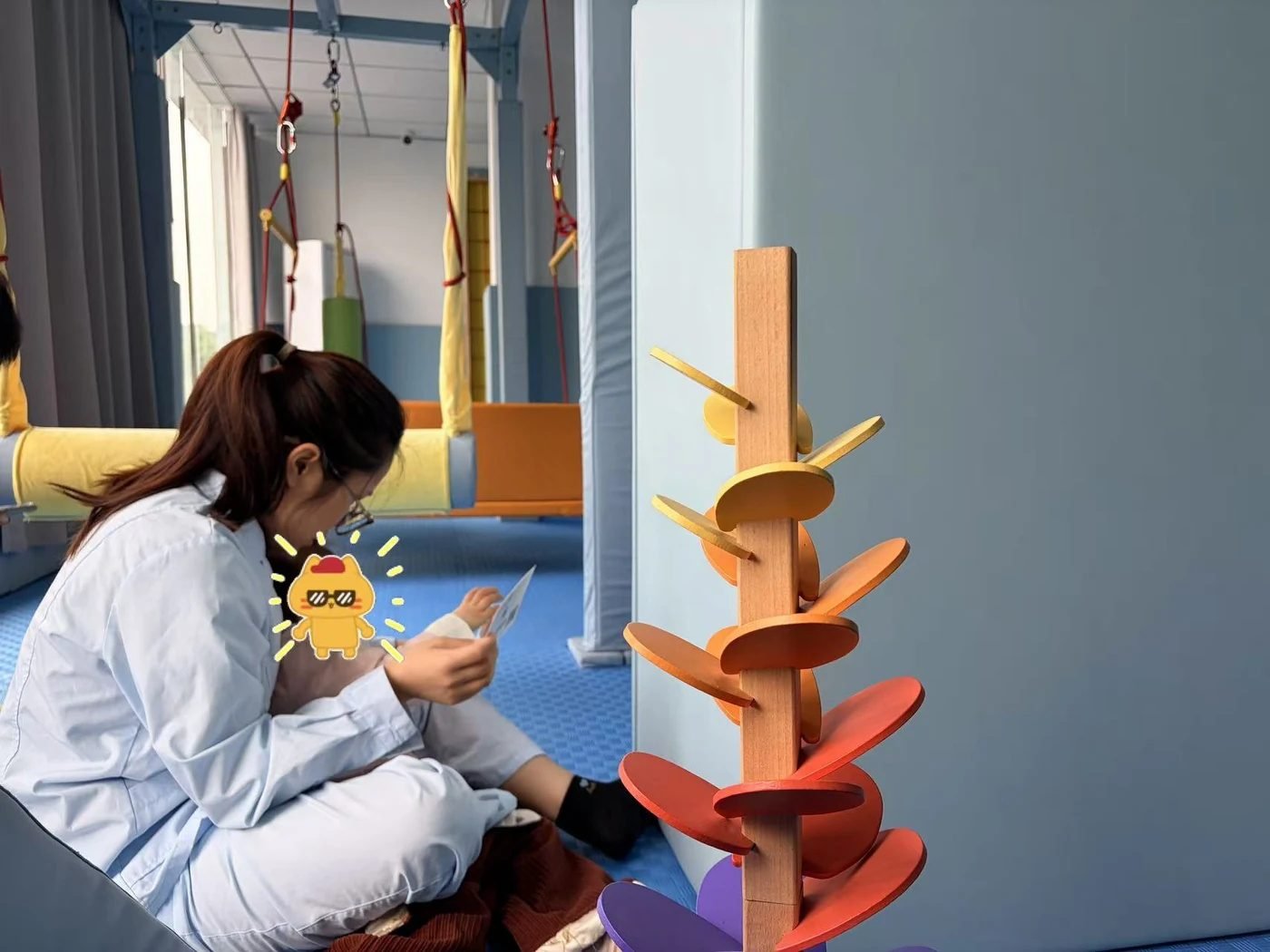
Individual interaction
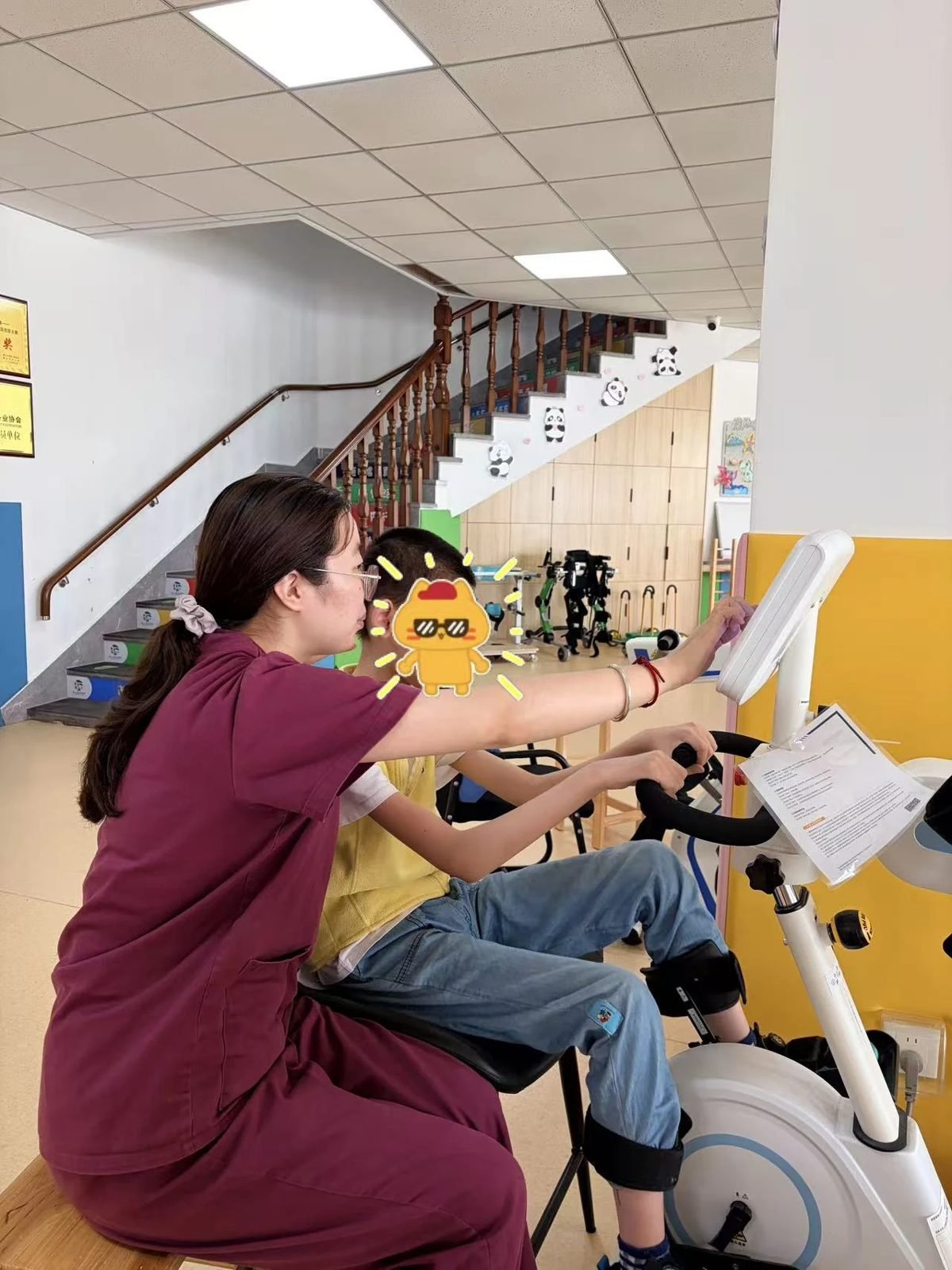
Movement training
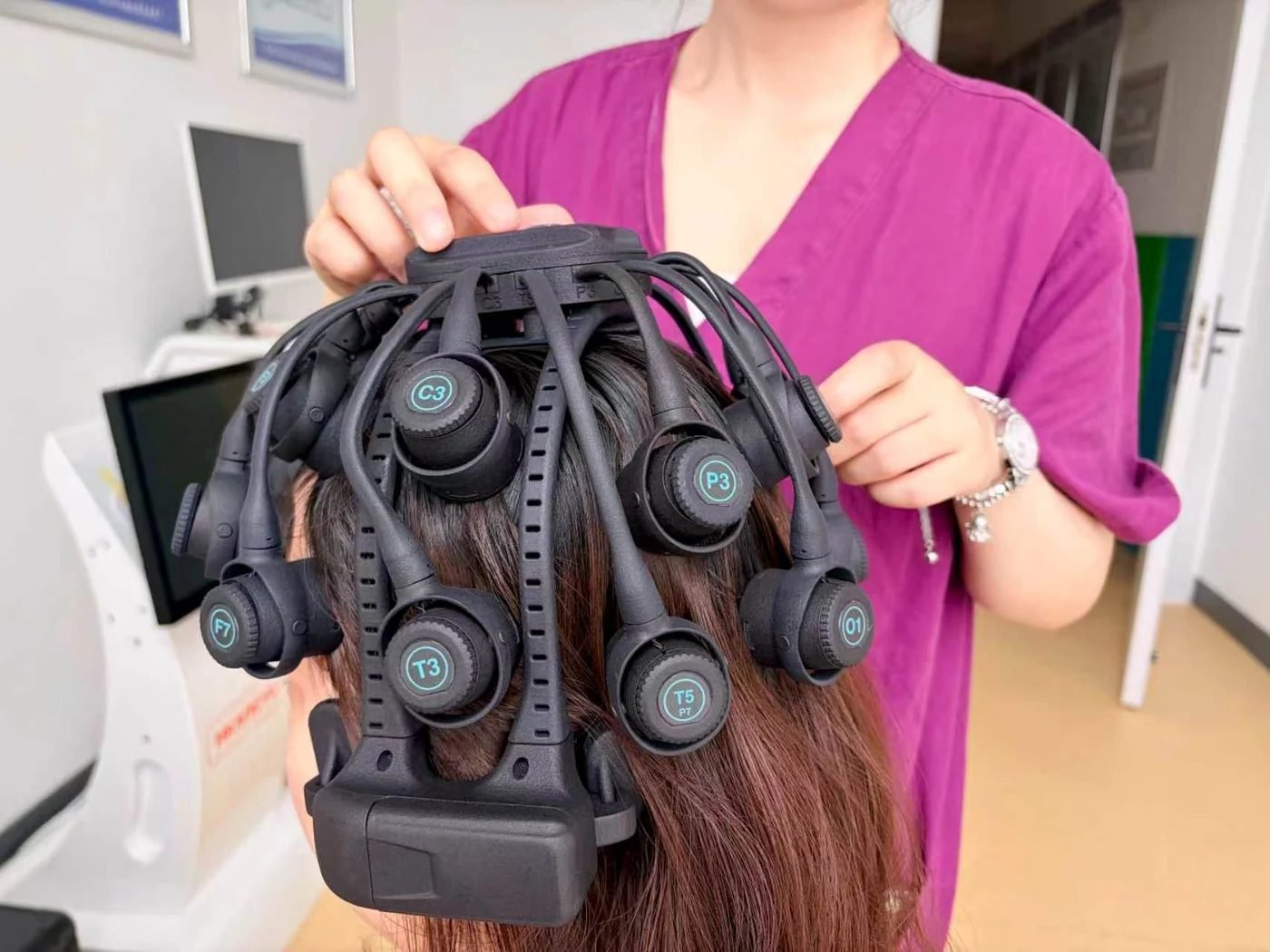
Brain function assessment equipment
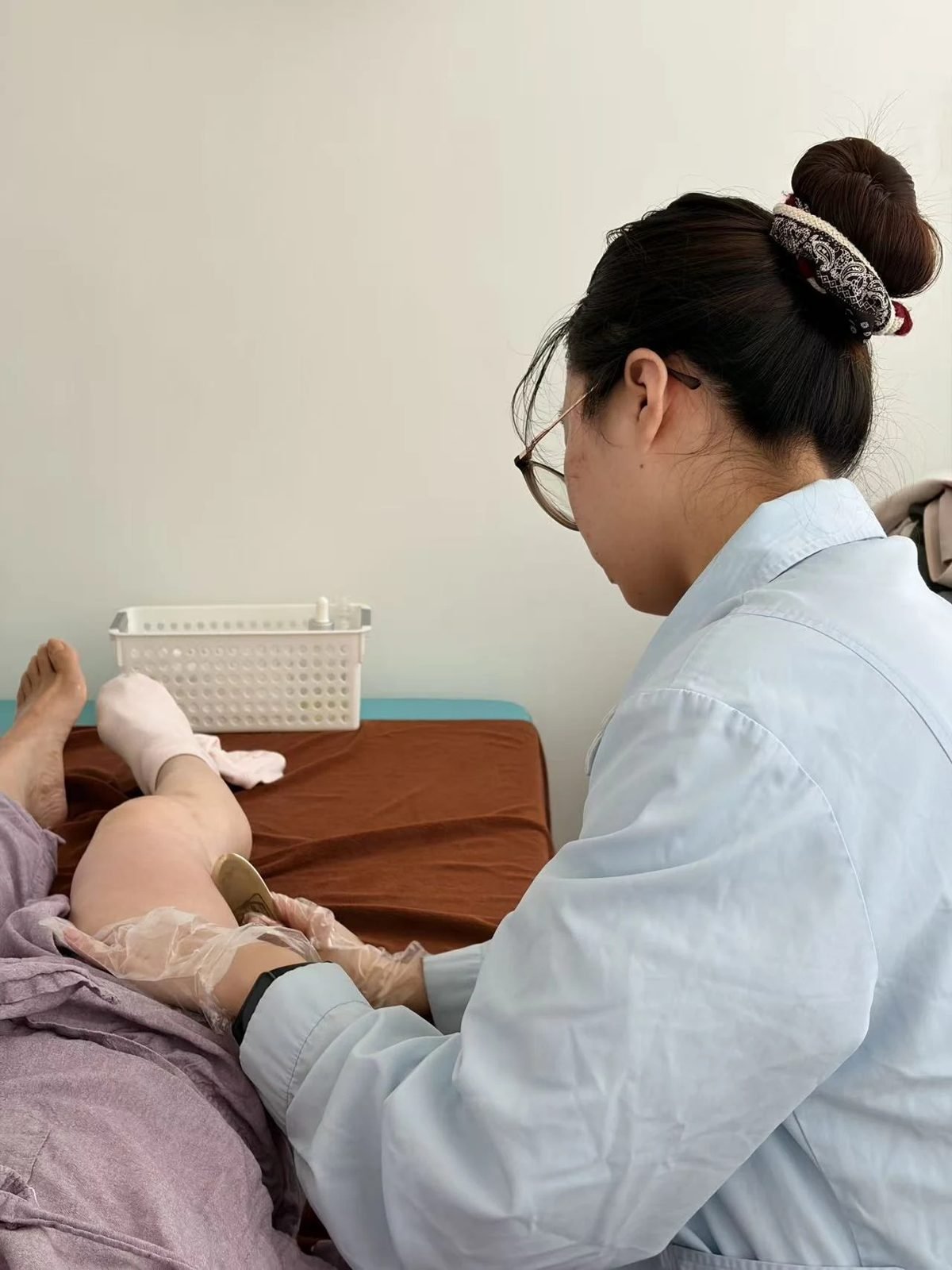
Professional support
Service scenes from our partner program in Huangshan. Children's faces are covered for privacy.
Program fees (USD)
Item
Type
Price
Technical service package
Required
USD 10,500 / month
Clinical escort package (registration, escort)
Required
USD 5,700 / month
Intervention package (assessment & explanation, individualized TMS, individual training)
Required
USD 3,200 / month
MRI scan
Required
USD 1,000 / scan
Accommodation (34 nights)
Optional
USD 6,640 / room / cycle
Cultural tour package
Optional
USD 3,500 / person / cycle
Not included: international travel, visa, insurance and translation. Tour price is based on a group of 10 and may change with dates and group size.
Payment
Program fees are collected by Huangshan Xiaozhu, our travel and family-service partner in Huangshan. Bank card, Alipay and WeChat Pay are accepted.
Good to know
If your child qualifies for free or discounted admission, the ticket difference is refunded at the actual price. Experience activities are not refundable.
Rooms are shared by two people. If a child does not need a separate bed, the single-room supplement can be refunded; if a single traveller cannot share a room, a single-room supplement applies.
The prices above do not apply on Chinese public holidays.
Frequently Asked Questions
What is autism spectrum disorder (ASD)?
ASD is a complex neurodevelopmental condition that emerges in early childhood. It is not a mental illness or a behavioral problem; it reflects inherent differences in how a person perceives, thinks and interacts.
What are the core signs?
Social difficulties (forming emotional connections, understanding others' feelings); delayed language development or non-verbal communication; rigid behavior, resistance to change and strong, narrow interests.
What does the brain function assessment measure?
Cognitive function, brain activity, left–right brain balance, whole-brain load, whole-brain coordination and focus.
Why do the assessment?
It looks for potential brain function development issues and gives a reference for professional intervention recommendations.
How does the assessment work?
Tell us about your child's health first, especially epilepsy, brain surgery or strong aversion to head-worn devices. Your child stays relatively still for about 5–10 minutes. Children with sensory sensitivity may feel uncomfortable, so parents help to comfort them. If warning signs appear, a qualified physician should follow up for further examination and diagnosis.
Is the assessment safe? Is it a diagnosis?
The EEG device is a registered Class II medical device and the assessment is non-invasive. Results are for reference only and are not a basis for a definitive diagnosis; they should be read together with clinical evaluation.
How is my child's privacy protected?
We strictly protect children's personal information and assessment results and do not disclose them to any unauthorized third party.
What is precision neuromodulation?
Based on an individual brain imaging model, targeted transcranial magnetic stimulation is applied to selected brain network nodes — like precisely “tuning” the brain.
How can parents help during the assessment?
Your child should stay relatively calm and avoid large head or body movements where possible. Tell the staff promptly about any discomfort, distress or resistance, and help to comfort your child.
Is personalized neuromodulation suitable for my child?
Suitability, the assessment basis, service arrangements and the intervention plan are explained and confirmed by a qualified physician after assessment.
How should I read the changes described in the case stories?
Each case records one child's experience. Children's needs, circumstances and changes differ. Discuss an appropriate plan and expectations with professionals, and keep a record of assessments along the way.
Do the fees include accommodation and transport?
The required packages cover technical services, hospital accompaniment and intervention. Accommodation and the cultural tour are optional packages. International travel, visa, insurance and translation are not included.
Where have families come from?
Families from China and abroad have taken part in this intervention. Progress is tracked in areas such as social interaction, language, behavior, emotional regulation and sleep.