
Assessment & Technology
A closed loop: assess → evaluate → target → intervene → re-assess.

Brain function assessment
01
Brain function assessment
Your child wears a wireless dry-electrode EEG cap while resting quietly for about 5–10 minutes. No gel, no needles. The system analyses cognitive function, brain activity, left–right balance, whole-brain load, whole-brain coordination and focus.
Clinical evaluation
02
Clinical evaluation
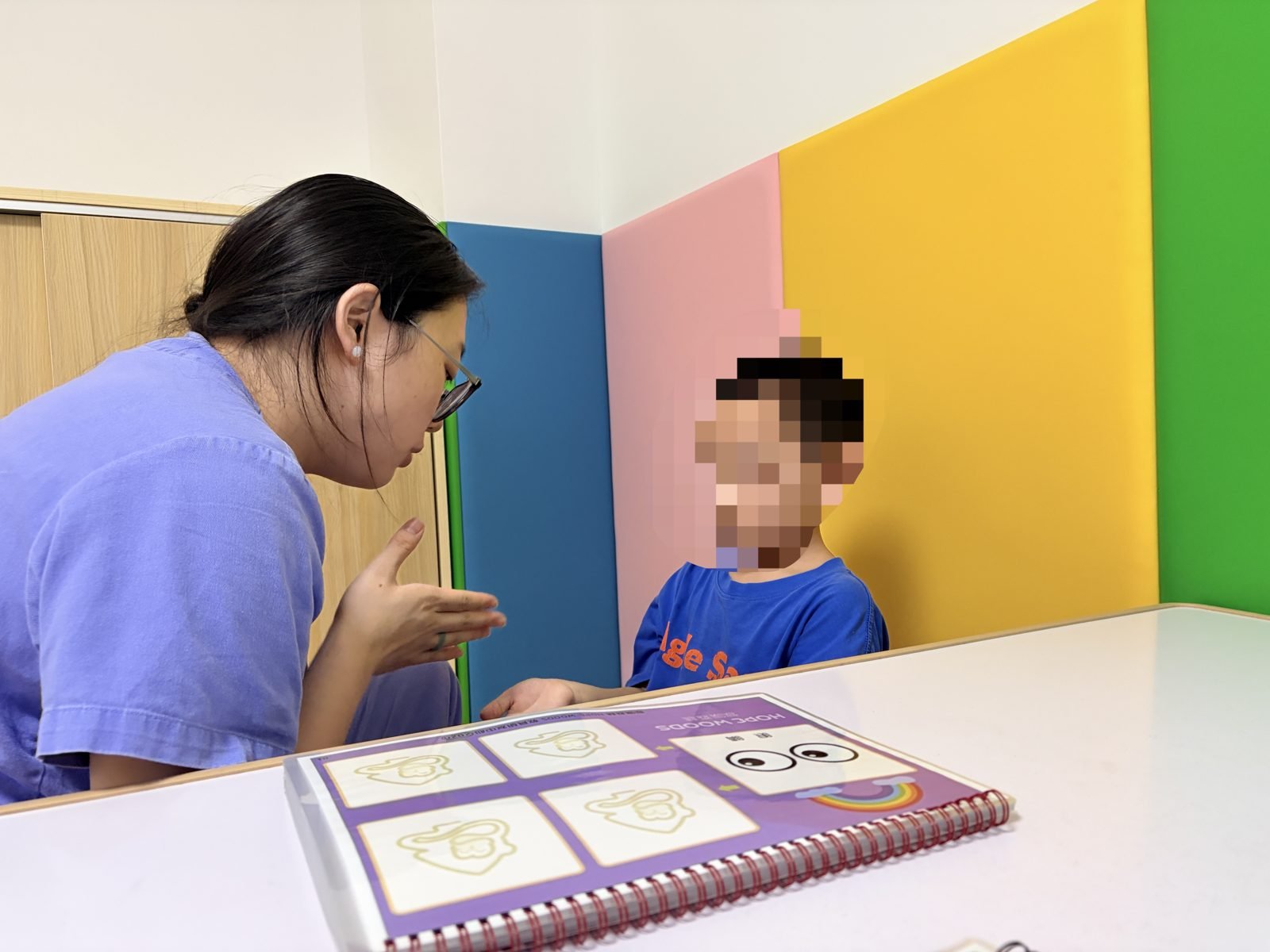
A qualified clinician makes the clinical judgement, combining standardized scales (such as ADOS-2, CARS-2, ATEC, ABC, CBCL), core symptoms, the brain function assessment and other examinations. The EEG assessment supports, but never replaces, this clinical judgement.

MRI & individual targeting
03
MRI & individual targeting
A 3.0T (or higher) MRI scan (3D T1, DTI and resting-state BOLD) is used to build an individual brain network model and locate a personal stimulation target, instead of a one-size-fits-all position.

Navigated neuromodulation + training
04
Navigated neuromodulation + training
Theta-burst transcranial magnetic stimulation (TMS) is delivered to the individual target with 3D infrared navigation. A typical course is 20 sessions, once a day: 3 stimulation blocks of about 40 seconds each, with 10- and 20-minute rests in between. Each session is paired with individual rehabilitation training.

Re-assessment & follow-up
05
Re-assessment & follow-up
After the course we repeat the brain function assessment and standardized scales, and compare before and after. Without re-assessment there is no evidence; without evidence, intervention is only hope.
We serve children aged 0–15.
What families should know
Possible reactions during or after TMS:
A tapping sound and a light twitch at the stimulation site.
Mild headache.
Temporary ringing in the ears; ear plugs are provided.
Seizure has been reported in rare individual cases.
Who should not receive TMS
History of organic brain disease, brain injury or head surgery; acute phase of cerebral hemorrhage.
Implanted devices (pacemaker, stent, implanted defibrillator, neurostimulator), hearing aids in the ear, insulin pump or Holter monitor.
History of epileptic seizures, or an acute infectious disease.
Please tell us about any history of epilepsy, brain surgery or strong aversion to head-worn devices before the assessment.
Technology & Equipment
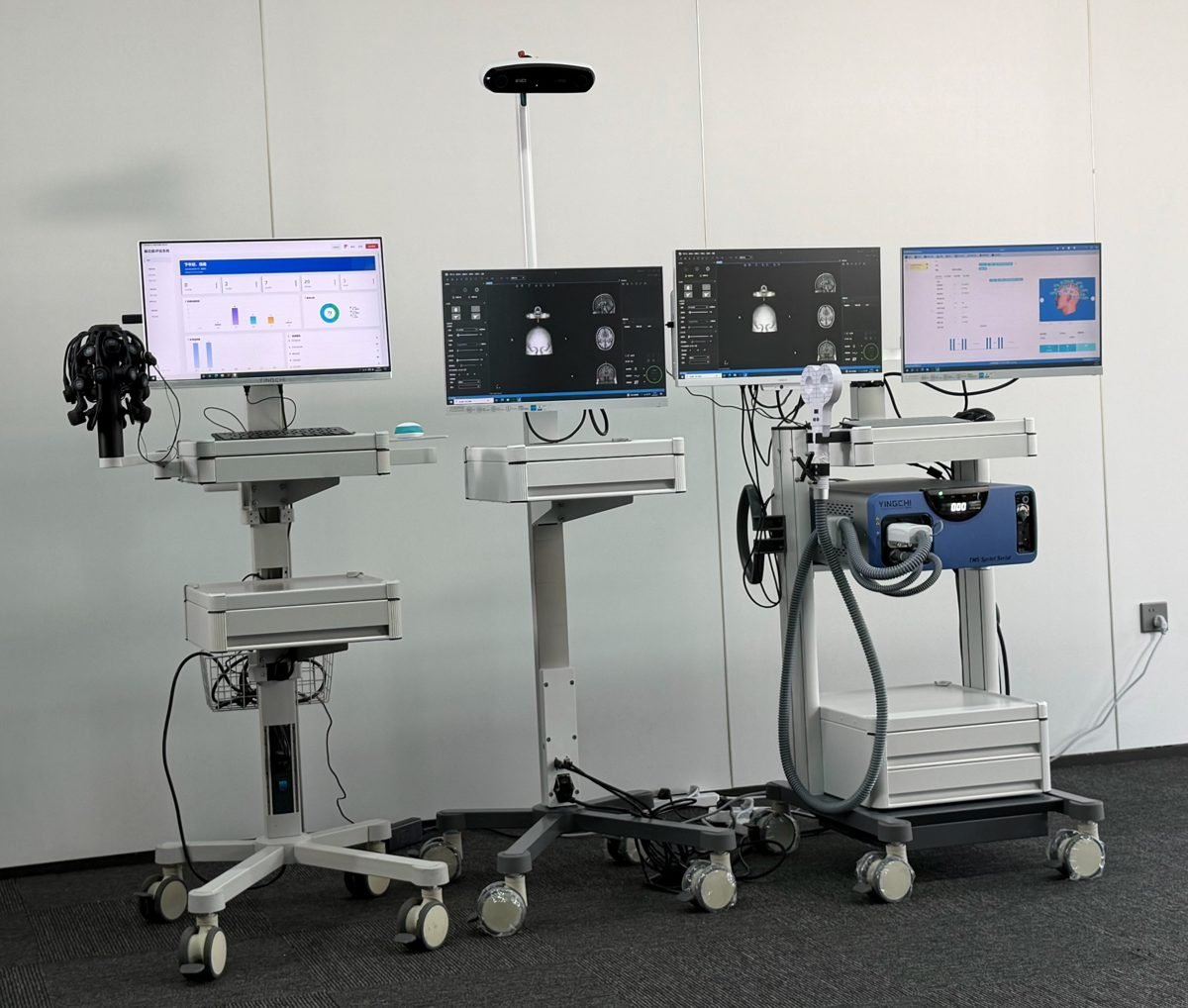
The three systems used in our assessment and neuromodulation workflow

3D infrared navigation and positioning unit

3D-navigated TMS system, side view
Wireless dry-electrode EEG system
A wireless dry-electrode EEG acquisition and analysis system with short preparation time, good signal quality and portability. It supports analyses of cognitive function, brain activity, left–right balance, brain load, whole-brain coordination and focus, and provides auxiliary screening and early-warning reference for autism spectrum disorder.
Results are for reference only and are not a basis for a definitive diagnosis.
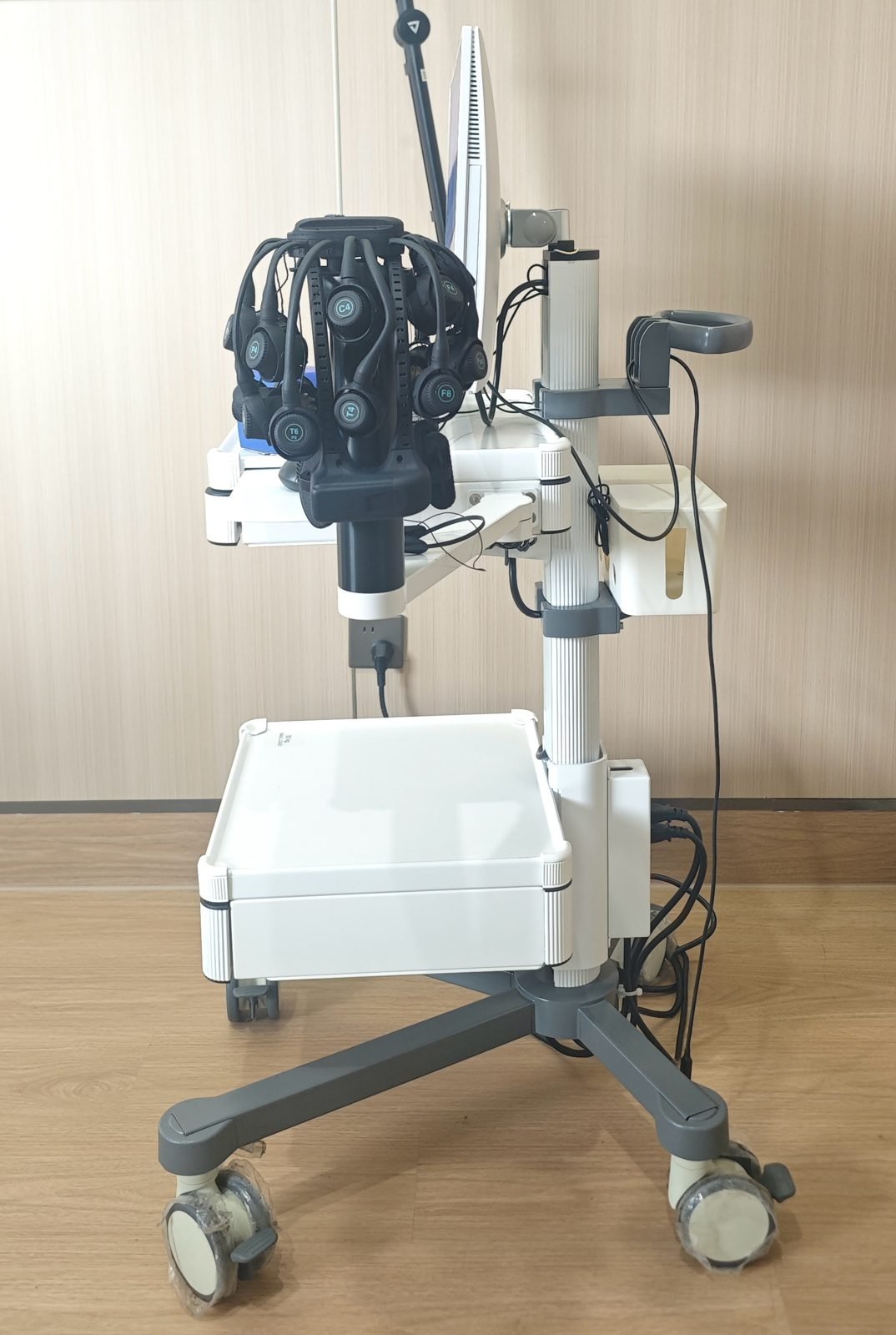
EEG brain function assessment system
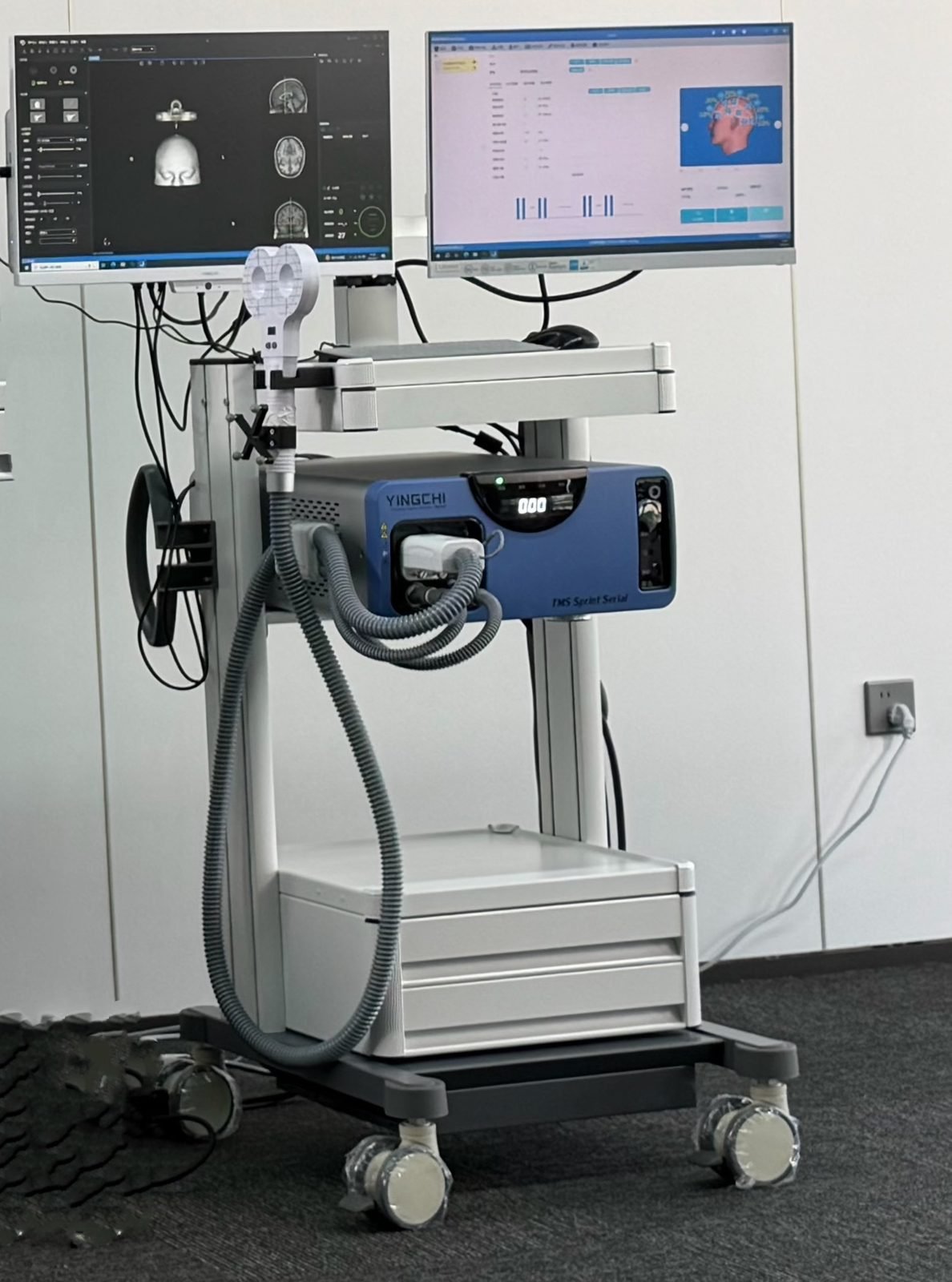
3D-navigated TMS system
3D-navigated TMS
High-precision infrared optical tracking follows the stimulation coil at millimetre level and shows the stimulation focus on the child's own brain anatomy, so the individual target found in imaging is the one actually stimulated.
Transcranial magnetic stimulation uses brief magnetic pulses that pass through the skull and induce small electrical currents in targeted brain regions. It has nearly 40 years of clinical and research use.
Device registration
The EEG and TMS devices used in our center are registered medical devices. The registrant is Shenzhen Yingzhi Technology Co., Ltd.
Device
Registration No.
Registrant
Valid until
EEG recorder, Quick-20r
粤械注准 20222070815
Shenzhen Yingzhi Technology Co., Ltd.
2027-06-28
Pulsed magnetic field stimulator
粤械注准 20182090783
Shenzhen Yingzhi Technology Co., Ltd.
2028-08-20

Medical device registration certificate · EEG recorder, Quick-20r · No. 粤械注准 20222070815 · Registrant: Shenzhen Yingzhi Technology Co., Ltd. · valid to 28 Jun 2027
Research foundation & technology partners
The assessment and neuromodulation methods used in our center come from our technology partners, including Chengdu Xinnao Technology Co., Ltd. and the University of Electronic Science and Technology of China, and are supported by peer-reviewed research.

Chengdu Xinnao Technology Co., Ltd.
A core member of the China Brain–Computer Interface Industry Alliance and of the Brain–Computer Interface and Brain-Inspired Intelligence Committee of the China Association for Standardization. The company combines brain science and artificial intelligence to develop tools and systems for early screening, assessment, intervention and rehabilitation training for children with autism. Its work was named an Outstanding Case of Technology for Disability Assistance by the China Disabled Persons' Federation and is listed in the Sichuan Provincial List of Landmark Innovative Products.
Dingyou is an authorized agent of Chengdu Xinnao Technology, with authorization in Shanghai and Anhui.
Selected publications
Personalized theta-burst stimulation enhances social skills in young minimally verbal children with autism: a double-blind randomized controlled trial — Biological Psychiatry, 2025
Gene transcription, neurotransmitter, and neurocognition signatures of brain structural-functional coupling variability — Nature Communications, 2025
Association among internalizing problems, white matter integrity, and social difficulties in children with autism spectrum disorder — Progress in Neuro-Psychopharmacology & Biological Psychiatry, 2024
A hybrid graph network model for ASD diagnosis based on resting-state EEG signals — Brain Research Bulletin, 2024
Recognition of autism spectrum disorder in children based on electroencephalogram network topology — Cognitive Neurodynamics, 2024
Altered dynamic network interactions in children with ASD during face recognition revealed by time-varying EEG networks — Cerebral Cortex, 2023
Predicting the symptom severity in autism spectrum disorder based on EEG metrics — IEEE Transactions on Neural Systems and Rehabilitation Engineering, 2022
Honors and achievement evaluations of our technology partner

Sichuan Science and Technology Progress Award, Third Prize (2024)
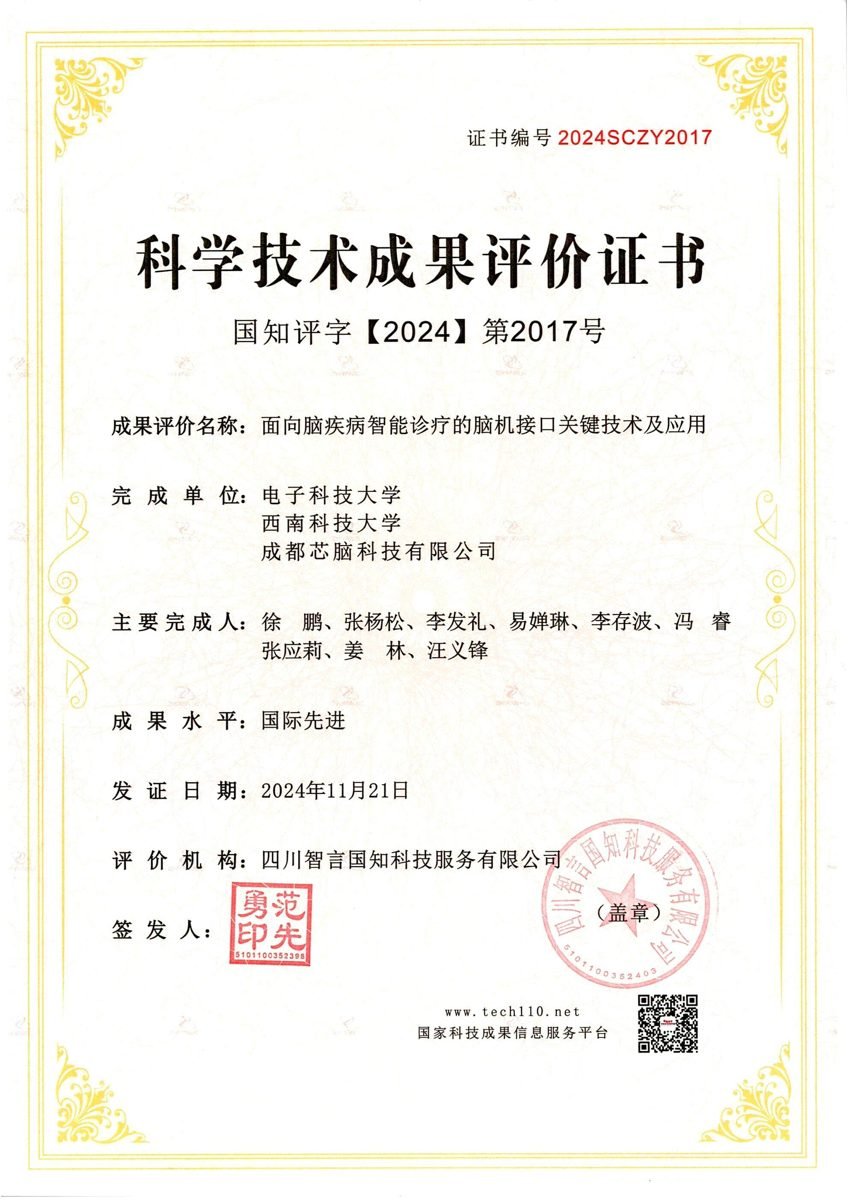
Achievement evaluation: brain–computer interface technologies for brain disorders — internationally advanced (2024)

Achievement evaluation: EEG recorder — internationally advanced (2026)
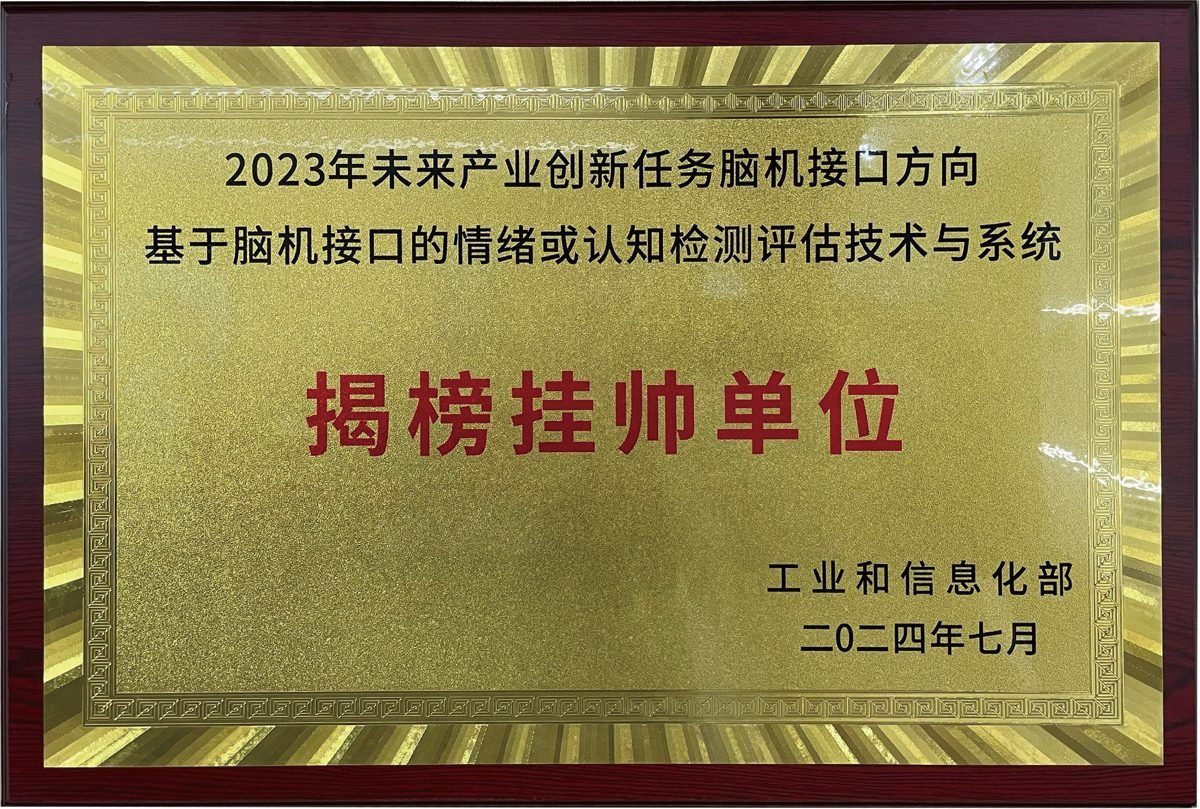
Future Industry innovation task unit, brain–computer interface (Ministry of Industry and Information Technology, 2024)
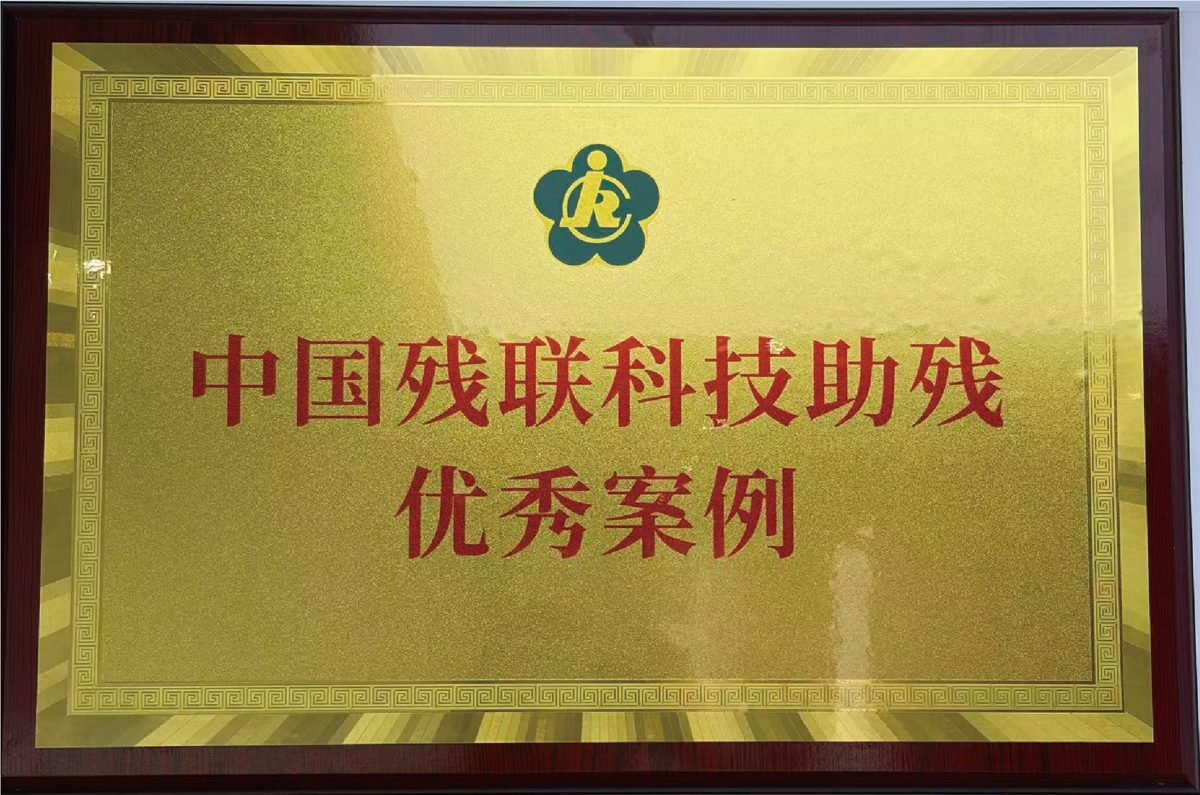
Outstanding Case of Technology for Disability Assistance (China Disabled Persons' Federation)

Member, Brain–Computer Interface Committee, China Association for Standardization

Chain-leading enterprise, BCI and human–machine interaction equipment, Sichuan Future Industries (2024)
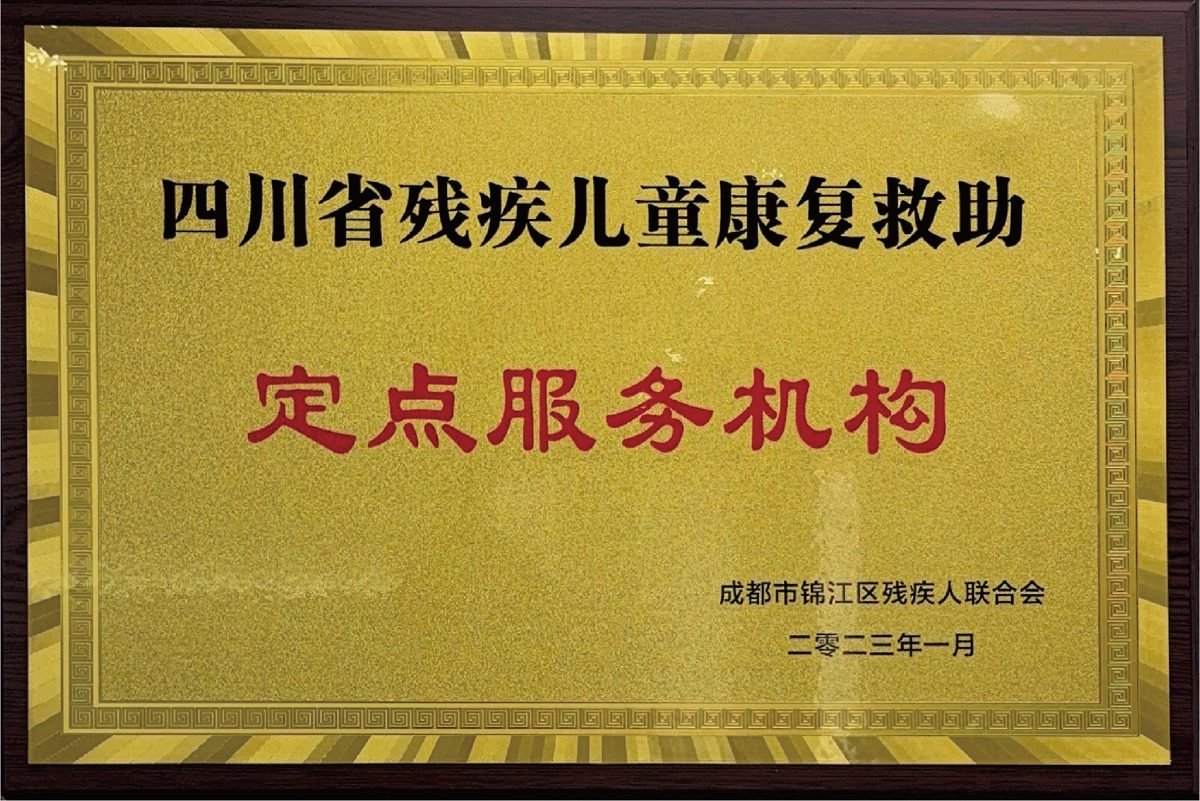
Designated rehabilitation service provider for children with disabilities, Sichuan

Demonstration institution for new technology-for-disability applications, Sichuan

Technology-for-Disability Demonstration Park, Sichuan

Sichuan Doctoral Innovation Station
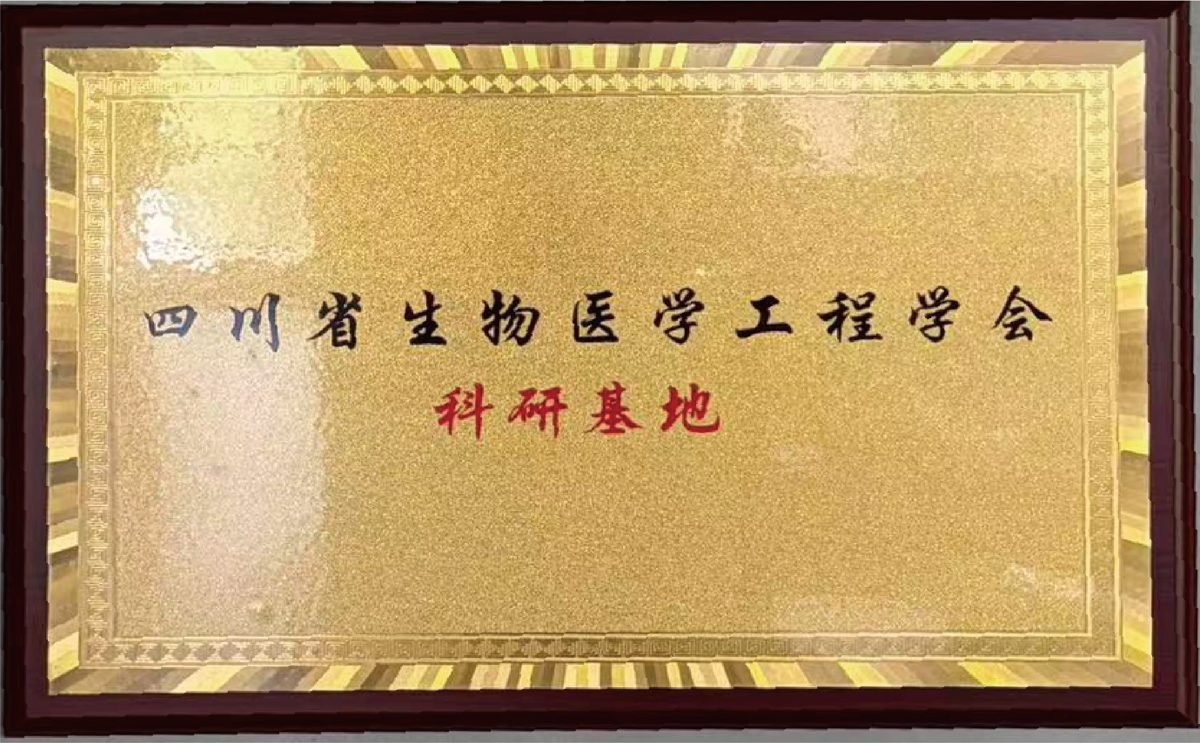
Research base, Sichuan Society of Biomedical Engineering

Sichuan Cognitive Science Society · Artificial Intelligence Society
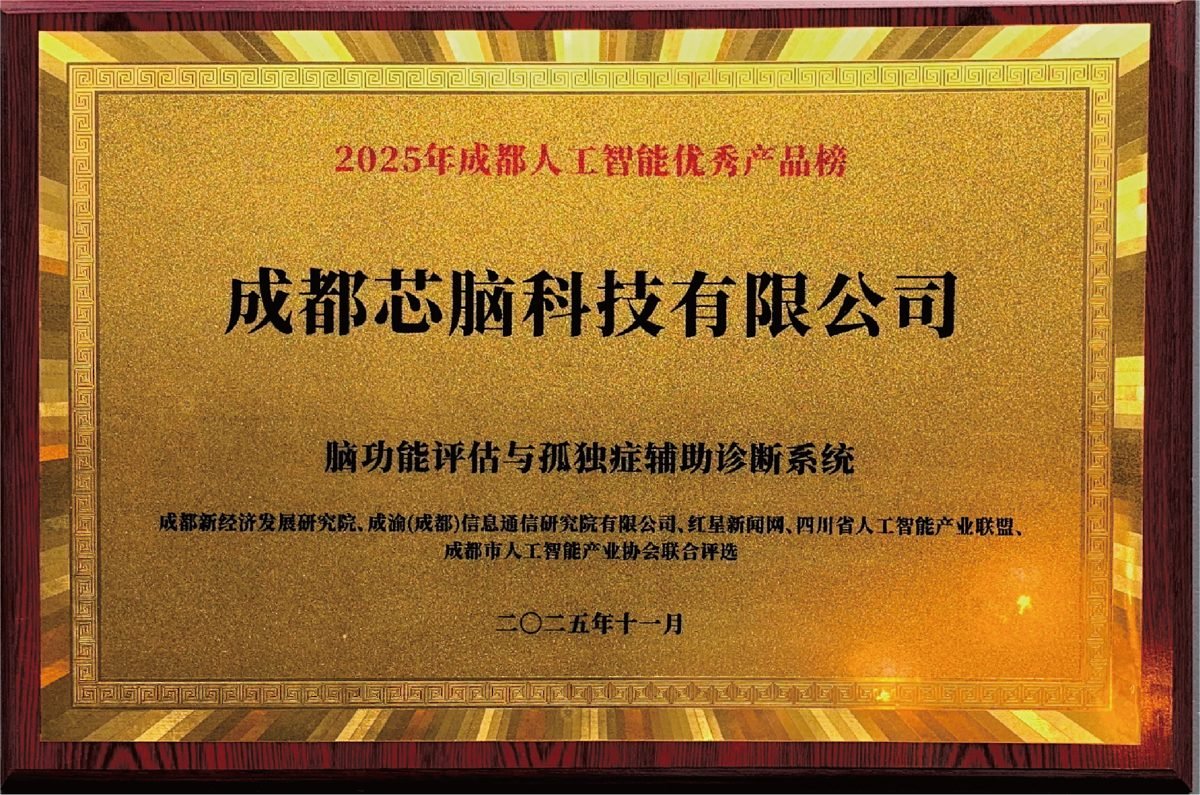
Chengdu Outstanding AI Products List (2025)

Chengdu AI Ecosystem Enterprise List (2025)

High-growth enterprise, Jinjiang District, Chengdu
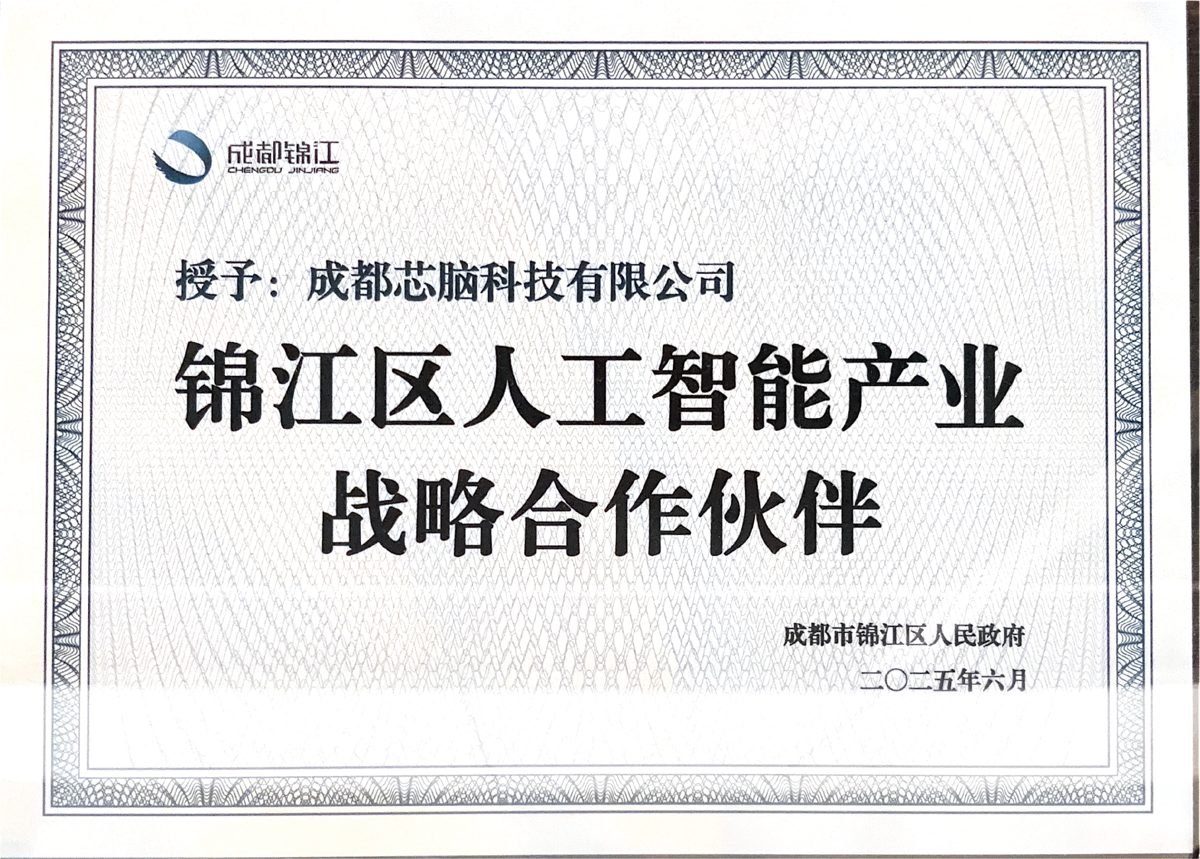
Strategic partner, AI industry, Jinjiang District (2025)
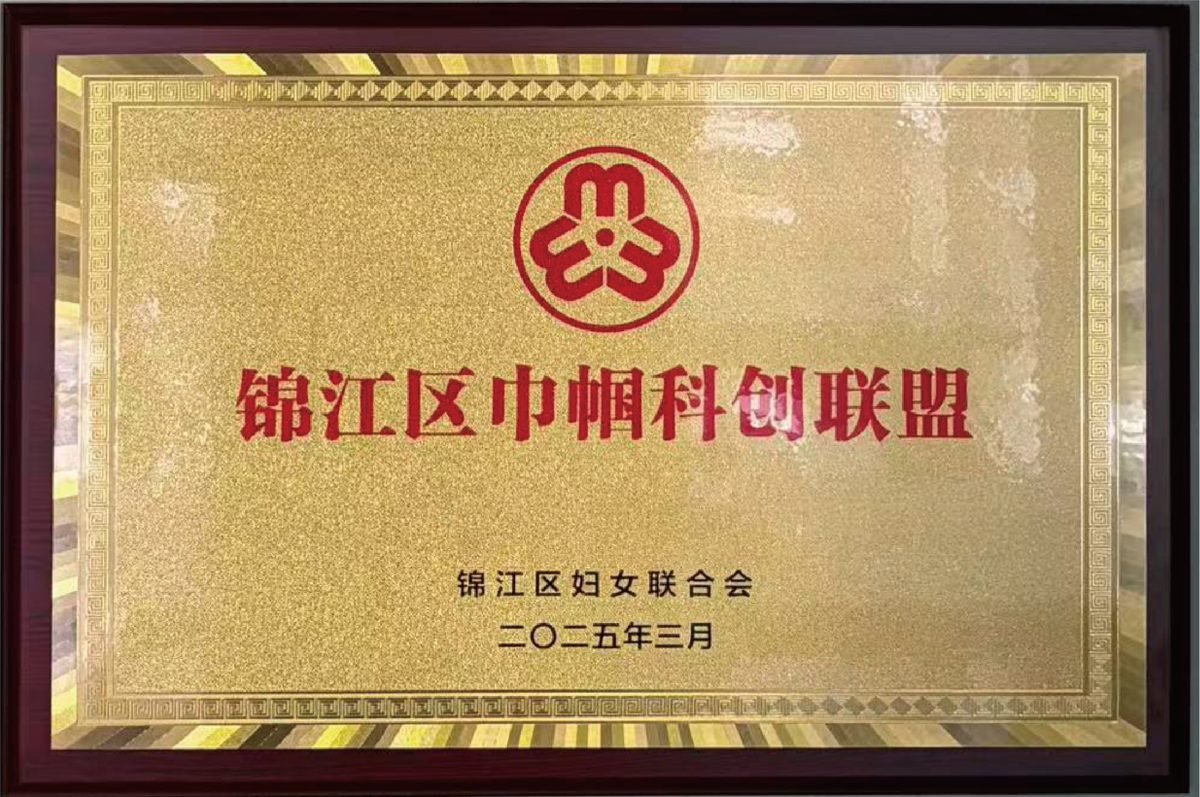
Jinjiang District Women's Science and Innovation Alliance (2025)
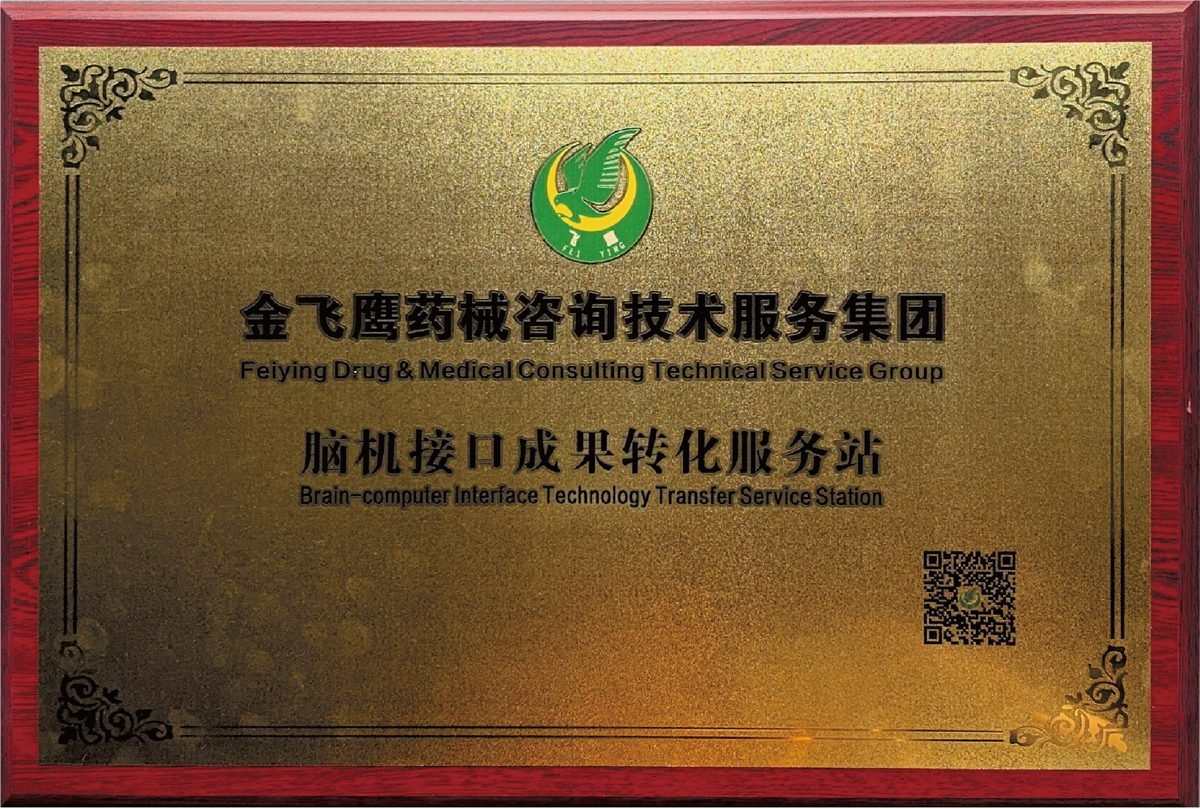
Brain–computer interface technology transfer service station
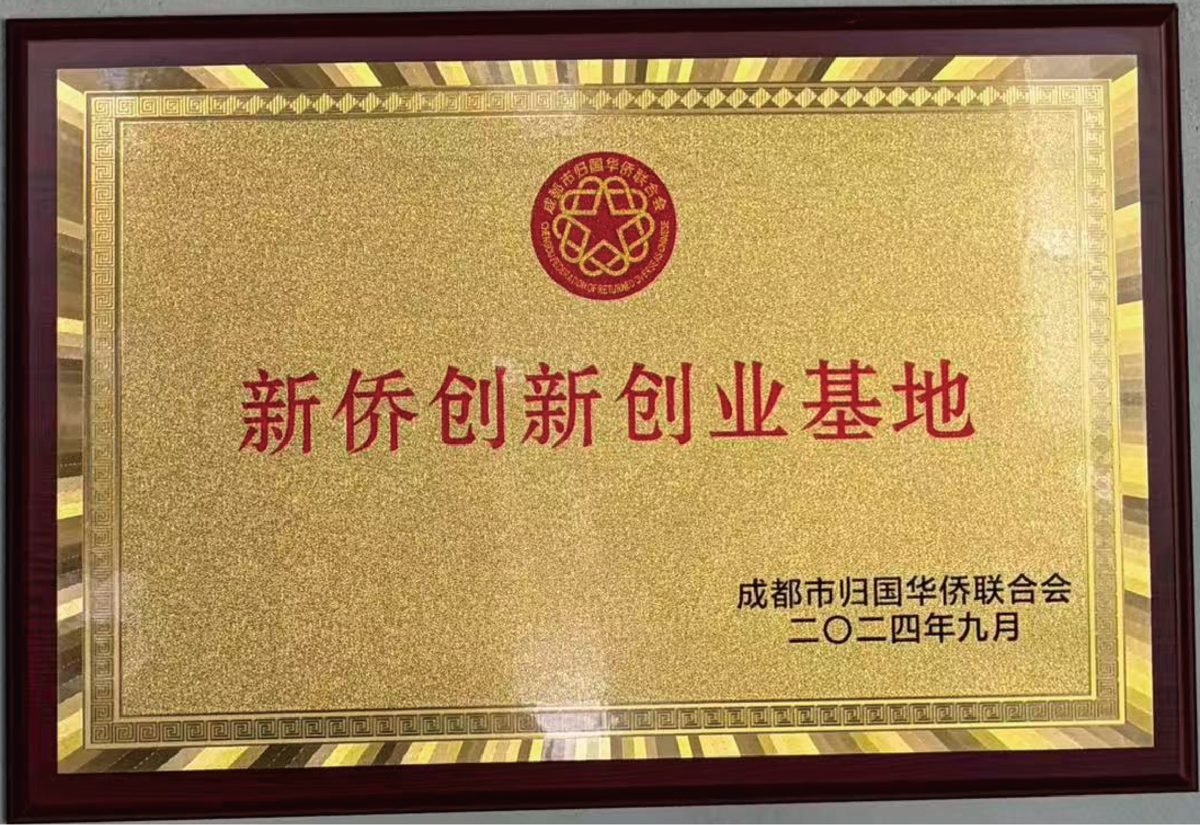
New Overseas Chinese Innovation and Entrepreneurship Base (2024)
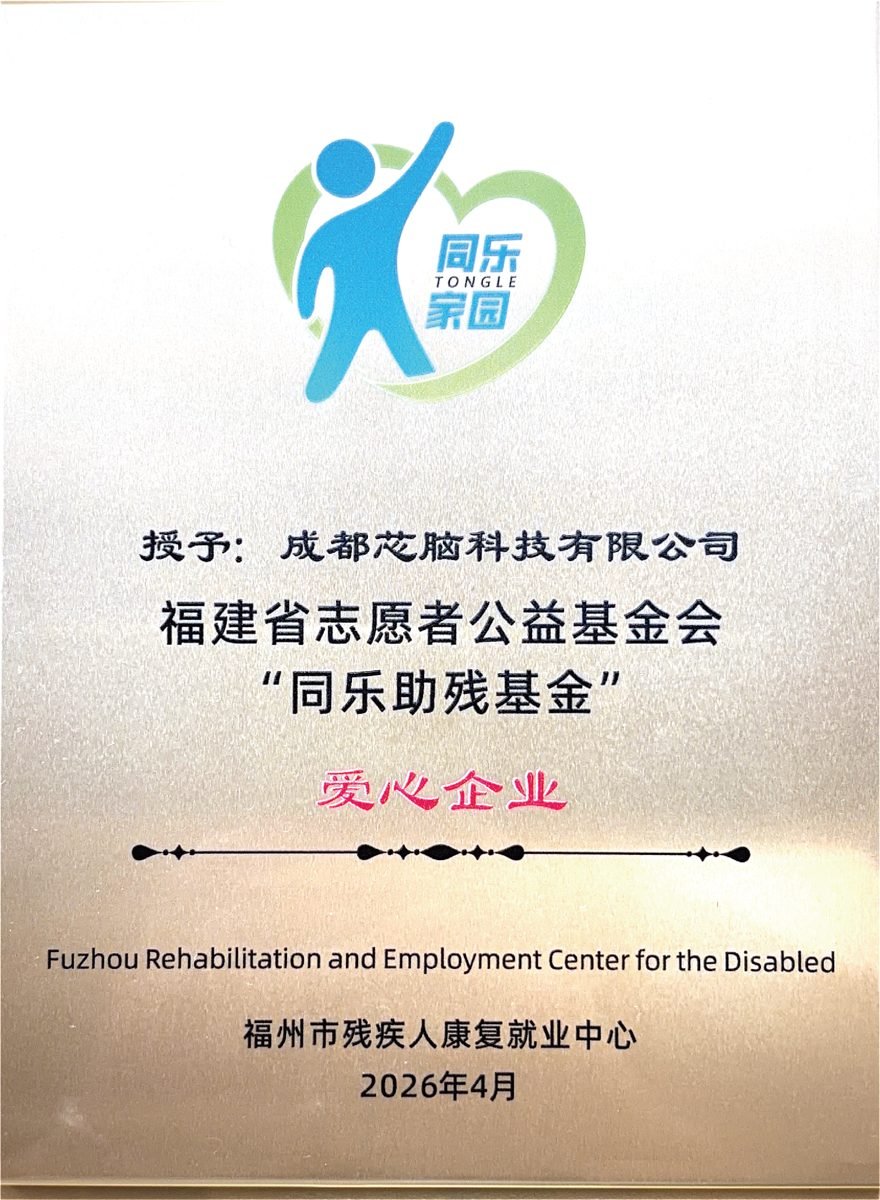
Caring enterprise, Fujian Volunteer Charity Foundation (2024)
Outcome tracking
Each child's progress is tracked with standardized scales (such as ATEC and ABC) and a brain function index, measured before and after each intervention cycle. See examples on the Intervention Cases page.
Intervention Cases